Announcement

Collapse
No announcement yet.

PaNu - The paleolithic nutrition argument clinic

Collapse
X
 
  • Filter
  • Time
  • Show
Clear All
new posts

  • rogermexico
    replied
    Re: PaNu - The paleolithic nutrition argument clinic

    Originally posted by Spartacus View Post
    much less sugar, agree
    no grains, agree
    more meat, agree

    you do, however, need to update one piece of data ...

    http://high-fat-nutrition.blogspot.c...-its-hard.html
    Thanks, Spartacus. Very interesting.

    I like three letter acronyms.

    Leave a comment:


  • rogermexico
    replied
    Re: PaNu - The paleolithic nutrition argument clinic

    Originally posted by jk View Post
    not just self-report. sorry my original omission.
    "And nowhere else could researchers afford to hire hundreds of trained workers to collect blood and urine samples and spend three days in each household gathering exact information on what and how much people eat, then analyzing the food samples for nutrient content."
    I tried to find the paper on the web but there is no abstract even on pubmed.

    My impression is that they did a survey in the homes for three days, took either the actual food eaten or similar samples and analyzed them, and then followed them.

    They were therefore looking at food intake at one point? If they really weighed and measured everything eaten over the study period that would be quite impressive.

    I have ordered the China Study book to get the answer and also order Fuhrman's book.

    It looks like they are colleagues and both vegans, or close to it.

    JK, yours is the kind of challenge I enjoy. Fuhrman has obviously impressed you and I will read it as closely as I read Taubes.

    FWIW - My paleo diet is emphatically omnivorous, as humans clearly were during evolution. I am as wary as you are of the naturalist fallacy (that whatever is natural is good - death during childbirth is perfectly natural) but:

    To me pure veganism is distinctly unnatural and even more radical than advocating nothing but meat.

    I know if forced to choose, I would live like Vilmajur Steffanson did with the Inuit - Nothing but rotten fish and large mammals - in preference to a vegan diet.

    Finally, and off the point we were discussing, I came across this while skimming pubmed for Campbells work.

    Associations between breast cancer, plasma triglycerides, and cholesterol.
    Potischman N, McCulloch CE, Byers T, Houghton L, Nemoto T, Graham S, Campbell TC.
    Division of Nutritional Sciences, Cornell University, Ithaca, NY 14853.
    A case-control study investigating the association between plasma lipids and breast cancer was conducted among women aged 30-80 in Buffalo, NY. All eligible women from a large breast clinic and two area physicians' offices were requested to participate over a one-year period. Subjects completed a health questionnaire and donated a fasting blood sample prior to diagnostic breast biopsies. The 83 women found to have breast cancer (cases) had significantly higher plasma triglyceride values than did the 113 women found not to have breast cancer (controls). Lower plasma beta-carotene values were associated with breast cancer, but only in those women with elevated triglyceride or cholesterol. Plasma cholesterol values were lower in those breast cancer cases presenting with more advanced stages of cancer, suggesting that metabolic effects of clinical and preclinical breast cancer may lower cholesterol levels. Although the limitations of case-control studies are well-recognized, these data suggest an etiologic role for plasma triglycerides and beta-carotene or for related dietary factors.

    The bolded sentence is support for the insulin hypothesis of cancer promotion, as nothing raises your triglycerides like a high carbohydrate diet

    Leave a comment:


  • Spartacus
    replied
    Re: PaNu - The paleolithic nutrition argument clinic

    IMHO no one has studied vegetables with an open mind.

    And in many cases proof that vegetables don't do anything great is just plainly ignored


    http://junkfoodscience.blogspot.com/...e-cancers.html

    the massive study led by Dr. Walter C. Willett, M.D., at Harvard School of Public Health in the Journal of the National Cancer Institute reviewed here. Examining the data on 71,910 women and 37,725 men followed for 15 years, Willett and colleagues found no relationship between fruits and vegetables and cancer


    (based on that 2 year old thread where you posted study after study, you probably already know this and much more, just thought I'd throw my 2c in)


    IMHO, without modern supplements, 500 years ago the diet below would leave you anemic for most of your life, or dead - NOt enough iron to replace the iron lost to parasites.

    Originally posted by jk View Post
    interesting. thanks for posting. i'm curious about your insulin-level theory of aging in relation to the calorie restriction data. do you see this is as opposed to, or complementing, the sirtuin theory?

    btw, the same hypoinsulinemic benefit can be attained with a very different diet, albeit with some overlaps in the recommendation, that of joel furhman.
    http://en.wikipedia.org/wiki/Joel_Fuhrman


    i suppose we could make this an evolution-based theory by asking whether or when our distant ancestors were very good hunters, and when in the evolutionary past they were by necessity more vegetarian.

    i find your discussion of insulin far more appealing scientifically than arguments based on history, i.e. what diet we evolved with. it reminds me of discussions i sometimes have with older female patients about the pros and cons of hormone supplementation.

    they'll sometimes say "it's not natural," to which i reply that there is nothing natural about a menopausal woman, in 2 senses. first, most of our ancestors didn't live that long. second, evolution doesn't care about the old - there is no selection pressure to optimize or improve the health of individuals beyond the time of having and raising progeny. so, health-wise, once we've passed the age of child rearing, we're on our own; we can't appeal to arguments based on what's "natural" or what evolution did or didn't do.

    Leave a comment:


  • Spartacus
    replied
    Re: PaNu - The paleolithic nutrition argument clinic

    much less sugar, agree
    no grains, agree
    more meat, agree

    you do, however, need to update one piece of data ...

    http://high-fat-nutrition.blogspot.c...-its-hard.html

    Originally posted by rogermexico View Post
    No, insulin, no fat storage, period.
    Last edited by Spartacus; May 10, 2009, 11:34 PM.

    Leave a comment:


  • ThePythonicCow
    replied
    Re: PaNu - The paleolithic nutrition argument clinic

    Originally posted by Lukester View Post
    It is a cultural void, a flailing around, due to the loss of sensible food traditions - and it is to a great extent, explicit to THIS country [America] and it's industrialised food cultural ethic.
    Certainly watching the waistlines of the customers at my nearby Wal*Mart suggests that something is amiss , or should I say in great excess.

    Being of the tin-foil-hat conspiricist persuasion, rather than the cultural depreviation school, I blame the American epidemic of obesity on "big ag" and "big drug" and "big med".

    Either way, I am sure it is healthier to have an Italian grandmother from the old country cook ones meals than the chemists in Monsanto's laboratories. Tastier too .

    Leave a comment:


  • ThePythonicCow
    replied
    Re: PaNu - The paleolithic nutrition argument clinic

    Roger - any thoughts on Chia or Flax seeds? Chia seeds in particular have become a part of my regular diet. I can't figure whether your downrating of grains applies to these as well.

    Leave a comment:


  • rogermexico
    replied
    Re: PaNu - The paleolithic nutrition argument clinic

    Originally posted by Rajiv View Post
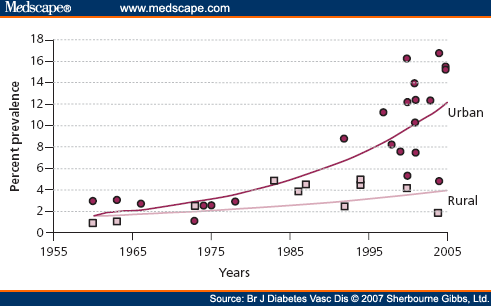
    No! The amount of sugar and flour eaten were very close to identical -- that is no statistical difference! -- and the typical flour used by South Asians even in the US and UK is whole wheat flour -- only a very small increase in the use of bleached flour, mostly from the slight increase in restaurant eating. Home cooking was almost identical. What is different in food in the US and UK is the reduction in the amount of lentils eaten, and substituting cottage cheese, dairy and meat for the lentils, typically without adding more calories. That, along with a more sedentary life style.


    The difference over the years IS diet, but not necessarily what you hypothesize -- though carbohydrates ARE prima facie the culprit, the truth is slightly different, and the changes in dietary pattern between rural India to Urban India is sufficient to make the same carbs act slightly differently -- in rural India, the carbs have sufficient amylase and sucrase inhibitors to decrease the glycemic index of the foods significantly. In Urban India, the food processing changes sufficiently to increase the glycemic index of the foods by decreasing the amylase and sucrase inhibitors associated with the same foods.

    Thank you. That is another conceivable mechanism whereby carbs are effectively lower in utilization and not inconsitent with other literature I have seen.

    The other obvious one is less cooking of starchy foods. Basically, less carbohydrate bioavailability functions the same as less carb intake.

    Can you give me your source? Total calories in particular could be quite relevant. How about the sugar and flour consumption of rural compared to city (not US or UK)?

    The japanese prior to world war II and shortly after also had high carb consumption (rice), but were also suffering from some serious nutritional deficiencies. They were thin, though. Because they had low caloric intake.

    Certainly if your hypothesis is that grains are problematic, and few current populations go without them, its hard to say much about the couterfactual of how healthy any population would be without them, as we have been eating them for 10,000 years.

    The archaeological record very clearly shows indigenous north american peoples that went from wild game and vegetables to an agricultural diet (maize and squash) had more disease, worse life expectancy and shorter height.

    That eating a diet that somehow mitigates the carb utilization is better than , in your case, the non-lentil diet, does not prove that zero grains would not have been better for either group.
    Last edited by rogermexico; May 16, 2009, 01:03 PM.

    Leave a comment:


  • jk
    replied
    Re: PaNu - The paleolithic nutrition argument clinic

    Originally posted by rogermexico
    Sixty-five hundred Chinese have each contributed 367 facts

    Observational study based on self-reporting which is very unreliable, especially for diet
    not just self-report. sorry my original omission.
    "And nowhere else could researchers afford to hire hundreds of trained workers to collect blood and urine samples and spend three days in each household gathering exact information on what and how much people eat, then analyzing the food samples for nutrient content."

    Leave a comment:


  • Rajiv
    replied
    Re: PaNu - The paleolithic nutrition argument clinic

    No! The amount of sugar and flour eaten were very close to identical -- that is no statistical difference! -- and the typical flour used by South Asians even in the US and UK is whole wheat flour -- only a very small increase in the use of bleached flour, mostly from the slight increase in restaurant eating. Home cooking was almost identical. What is different in food in the US and UK is the reduction in the amount of lentils eaten, and substituting cottage cheese, dairy and meat for the lentils, typically without adding more calories. That, along with a more sedentary life style.


    The difference over the years IS diet, but not necessarily what you hypothesize -- though carbohydrates ARE prima facie the culprit, the truth is slightly different, and the changes in dietary pattern between rural India to Urban India is sufficient to make the same carbs act slightly differently -- in rural India, the carbs have sufficient amylase and sucrase inhibitors to decrease the glycemic index of the foods significantly. In Urban India, the food processing changes sufficiently to increase the glycemic index of the foods by decreasing the amylase and sucrase inhibitors associated with the same foods.

    Leave a comment:


  • Guest's Avatar
    Guest replied
    Re: PaNu - The paleolithic nutrition argument clinic

    Sharky - there was always plenty of bread on the table, in the 1950's and 1960's with lots of dishes providing plentiful vegetable fat, thus allowing the consumption of meat to be *sparing*. If I gave the impression these people were gorging on carbohydrates alone I gave an incorrect description.

    A great part of this diet is built around bread, olive oil, bean dishes, many different kinds of heavenly all-vegetable dishes, some flavored sparingly with meat, and so forth. The point being, there was not the hint of any banishment of grains products from the diet, in order to achieve exemplary good health. Now watch Rogermexico drop innuendoes such as "fraudulent studies and conclusions" into his replies.

    The Meditteranean diet is being pulled six ways to sunday by the MD's recasting themselves as nutrition gurus, to prove points they wish and sweep other contradictory points under the rug. Wheat products never slowed down the exemplary Italian health stats one bit. They were merely wholesome grain products, consumed in the right proportion to all the other food components.

    They ate with poise and balance in the components of nutrition (lots of vegetables and vegetable fats) - and in those days, with very few processed components.

    They were more physically active than we are today - that was back around 1960, when as a concomitant American culinary milestone, the AUTO-MAT and the food diner became ubiquitous across this land. Forty plus years later we are pondering which food components affect insulin levels and applying these culturally parched insights mechanically to our dietary traditions.

    Being more sedentary today, we can reduce the bread and grains intake if we wish. We can even concentrate more on the vegetable proteins, lifting the overal fats proportion of what we eat.

    But that was not the point - the salient point was that the bread was an integral part of this diet without having anything remotely to do with creating overweight diabetics - and that Italian demographic experiment (doubtless there are plenty of others worldwide) provided very consistent results for an entire population for 30-40 years (ditto health results in this same population in pre-WWII, and even pre-WWI !!)

    The excessive preoccupation with diabetes, pancreas / insulin problems as an integral thorny question tangled up with what we eat over here, is at least one of, the epidemiological expressions of a gastronomic cultural void, and it is more characteristic to the US than it has been to many other nations (particularly if we subtract the processed food culture America has exportee worldwide).

    It is a cultural void, a flailing around, due to the loss of sensible food traditions - and it is to a great extent, explicit to THIS country and it's industrialised food cultural ethic. And an army of wild squirrels, wild pheasants, wild fish, hand-culled ten pronged wild deer brought down with a long-bow, or plain bear-steaks (presumably wrestled to the ground in a forest) cannot alleviate it.

    Originally posted by Sharky View Post
    Assuming that Wikipedia's description of the Mediterranean Diet is reasonably accurate, it doesn't sound like it's high carb.

    http://en.wikipedia.org/wiki/Mediterranean_diet

    In fact, it's noted for it's relatively high fat content (up to 35% of total calories).

    The so-called "French Paradox" is based on the fact that some countries (including in the Mediterranean) with relatively high fat diets have lower incidence of heart disease. It is readily explained by the fact that carbohydrates are absorbed much more slowly by the body when they are eaten together with fat. The overall glycemic index of the meal is lowered; insulin levels rise more slowly and don't peak as high.

    However, if you decrease the fat or increase the carbs, then it stops working.
    Last edited by Contemptuous; May 10, 2009, 08:40 PM.

    Leave a comment:


  • rogermexico
    replied
    Re: PaNu - The paleolithic nutrition argument clinic

    Originally posted by Sharky View Post
    Assuming that Wikipedia's description of the Mediterranean Diet is reasonably accurate, it doesn't sound like it's high carb.

    http://en.wikipedia.org/wiki/Mediterranean_diet

    In fact, it's noted for it's relatively high fat content (up to 35% of total calories).

    The so-called "French Paradox" is based on the fact that some countries (including in the Mediterranean) with relatively high fat diets have lower incidence of heart disease. It is readily explained by the fact that carbohydrates are absorbed much more slowly by the body when they are eaten together with fat. The overall glycemic index of the meal is lowered; insulin levels rise more slowly and don't peak as high.

    However, if you decrease the fat or increase the carbs, then it stops working.
    Covered thoroughly by Taubes.

    The original mediterranean diet that was actually studied was specific to Crete, not Italy.

    High fat diets do not cause heart disease. High carb diets do. The french diet is paradoxical only if you believe Keye's hypothesis, which increasingly appears to be just wrong, if not fraudulent.

    It is probably not that you need to have high fat intake for the fat's sake, just that you have to eat something, and the most effective way to do that with low insulin levels, (unless you are starving or an elite athlete burning thosands of calories a day - which in its own way is also not healthy) is to increase your fat consumption, which has no insulinogenic effect and is highly satiating.

    Again, intermittent fasting, starvation and running a huge caloric deficit like Dean Karnazes are all alternate ways to lower your insulin levels, but are understandably less practical than eating more fat.

    Leave a comment:


  • Sharky
    replied
    Re: PaNu - The paleolithic nutrition argument clinic

    Originally posted by Lukester View Post
    Rubbish. If you assert rubbish authoritatively enough eventually the entire flock will believe you. At least there is one "foreign national" here to call your summary assertion about "high carbs" BS. Italians lived on high carbs for forty years without demonstrating one jot of the ailments you assert. Pack it in, or address those discrepancies convincingly. And while you are at it, address the issue of 60% fat intake and the elderly.
    Assuming that Wikipedia's description of the Mediterranean Diet is reasonably accurate, it doesn't sound like it's high carb.

    http://en.wikipedia.org/wiki/Mediterranean_diet

    food patterns typical of Crete, much of the rest of Greece, and southern Italy in the early 1960s", this diet, in addition to "regular physical activity," emphasizes "abundant plant foods, fresh fruit as the typical daily dessert, olive oil as the principal source of fat, dairy products (principally cheese and yogurt), and fish and poultry consumed in low to moderate amounts, zero to four eggs consumed weekly, red meat consumed in low amounts, and wine consumed in low to moderate amounts.
    In fact, it's noted for it's relatively high fat content (up to 35% of total calories).

    The so-called "French Paradox" is based on the fact that some countries (including in the Mediterranean) with relatively high fat diets have lower incidence of heart disease. It is readily explained by the fact that carbohydrates are absorbed much more slowly by the body when they are eaten together with fat. The overall glycemic index of the meal is lowered; insulin levels rise more slowly and don't peak as high.

    However, if you decrease the fat or increase the carbs, then it stops working.

    Leave a comment:


  • cindykimlisa
    replied
    Re: PaNu - The paleolithic nutrition argument clinic

    Luke

    I do not find your comments the only challenging remarks on the board.

    But what I see often is they are laced with a superabundence of overt and overreaching anger.

    With particular regard to what the Doc says I have some interest because of his credentials.

    However, you have no credibility. Your message is all about your anger and all about you which is often the case.

    Get it?

    Leave a comment:


  • Guest's Avatar
    Guest replied
    Re: PaNu - The paleolithic nutrition argument clinic

    Originally posted by rogermexico View Post
    All good speculation. - you can see that there can be huge variation in the actual diet as long as one is avoiding high carb intake and grains.
    Rubbish. If you assert rubbish authoritatively enough eventually the entire flock will believe you. At least there is one "foreign national" here to call your summary assertion about "high carbs" BS. Italians lived on high carbs for forty years without demonstrating one jot of the ailments you assert. Pack it in, or address those discrepancies convincingly. And while you are at it, address the issue of 60% fat intake and the elderly.

    Leave a comment:


  • ThePythonicCow
    replied
    Re: PaNu - The paleolithic nutrition argument clinic

    Originally posted by Lukester View Post
    I find US doctors (he's a radiologist BTW, not a general practitioner) who assume this paternalistic, dismissive tone grate upon my cultural upbringing from childhood in another country.
    Yeah - the paternalistic attitude of American medicine can irk me too . It can be downright unhealthy. Whether Roger manifests such or not I don't know. It could be, but it doesn't matter much to me.

    Leave a comment:

Working...
X